



2026 Guide to the Best Window Tint for SUVs in Houston, TX Finding the best window tint for SUVs in Houston, TX is a functional necessity for local drivers. Houston is characterized by high humidity and extreme temperatures that create a greenhouse effect within large vehicle cabins. SUVs possess significantly more glass surface area than sedans, meaning they absorb more solar energy and require advanced thermal barriers. This guide provides an objective technical analysis of window film technologies to help you protect your vehicle and improve driving comfort in the Gulf Coast climate. Why Houston SUV Owners Need High-Performance Window Tint The Houston environment presents unique challenges for automotive maintenance and passenger comfort. SUVs are often used as family vehicles or mobile offices, making the internal temperature a high priority. Without high quality heat rejection film for SUVs, the air conditioning system must work at maximum capacity to combat the heat gain from the expansive windshield and side windows. Furthermore, UV protection for car interiors is essential for preserving the resale value of your vehicle. The Texas sun is relentless, and prolonged exposure can cause dashboard materials to crack and leather upholstery to lose its natural suppleness. High performance window films block a vast majority of ultraviolet radiation, acting as a permanent shield for your interior. Comparing Nano-Ceramic vs. Carbon Tint for Houston Drivers When evaluating film types, nano ceramic and carbon are the primary choices for 2026 SUV models. Carbon films utilize carbon particles to provide a matte finish and a deep, stylish look. They are effective at blocking solar energy and do not contain metal, which prevents interference with your vehicle’s electronic systems. In the general sense, some lower quality dyed or hybrid films can fade or turn purple over time, though this typically depends on the manufacturer. A superior alternative is a high density carbon film or a nano ceramic option, such as those made by HITEK Films, which are engineered for long term color stability. Ceramic technology is specifically designed to handle the high TSER (Total Solar Energy Rejection) requirements needed for large Houston SUVs. Understanding Texas Window Tint Laws for SUVs in 2026 Texas Department of Public Safety regulations are specific regarding Texas window tint VLT percentages. VLT refers to the amount of visible light that passes through the glass. For SUVs, which are classified as multi purpose vehicles, the laws provide more flexibility for the rear sections of the vehicle compared to passenger sedans. Houston drivers must ensure their front side windows meet the minimum legal VLT requirements to pass annual inspections. While the rear windows of an SUV can be significantly darker, the front windows must allow enough light for driver visibility and law enforcement safety. Modern high performance films allow you to achieve incredible heat rejection without necessarily having to use the darkest possible shade, keeping you compliant with Houston SUV window tinting laws 2026. Key Factors When Choosing Your SUV Window Film Maximum Heat Rejection (TSER) The most important metric for a Houston driver is TSER. This number represents the total amount of solar energy rejected by the film, including infrared and ultraviolet light. High TSER ratings mean the interior of your SUV will stay much cooler even when parked in direct sunlight near the Buffalo Bayou or the Energy Corridor. If you do not prioritize TSER and IR rejection, you may experience several drawbacks: The interior remains uncomfortably hot despite the windows looking dark, leading to physical discomfort during long commutes. Your air conditioning system struggles to lower the temperature, which can lead to premature failure of the AC compressor. Passengers in the rear seats are subjected to a burning sensation on their skin from unfiltered infrared rays hitting the large side windows. Signal Interference and Electronics Clarity Modern SUVs are equipped with complex GPS, 5G hotspots, and satellite radio systems. Older metallic films can block these signals, causing navigation errors or dropped calls. Nano ceramic and carbon films are non metallic and non conductive, which ensures that all your on board electronics function with perfect clarity. Aesthetic and Privacy Options While performance is the priority, aesthetics remain a factor for many Houston owners. You can choose from various shades that provide increased privacy for your passengers and cargo. High quality films, such as those made by HITEK Films, offer a consistent charcoal or black tone that complements the factory glass of most modern SUV models without looking artificial or reflective. Frequently Asked Questions What is the legal tint limit for SUVs in Texas? The front side windows must have a VLT of at least twenty five percent. For SUVs, the windows behind the driver can be any darkness level, providing excellent privacy for rear passengers and cargo. Is ceramic tint really better for Houston heat? Yes, ceramic tint is specifically designed to block infrared rays, which are the primary source of heat. This makes it significantly more effective than standard films at keeping the interior cool in high humidity areas. Will window tint help my SUV’s air conditioning? By blocking the majority of solar heat, the film reduces the ambient temperature inside the cabin. This allows the air conditioning system to reach your desired temperature faster and maintain it with less effort. Does ceramic tint interfere with my SUV’s 5G or GPS? Professional ceramic films are non metallic, so they will not interfere with any electronic signals. Your GPS, cellular data, and keyless entry systems will continue to work perfectly.
Premier Windshield Tint Solutions Houston TX Core Windshield Tint Principles The best window tint for windshields in Houston, TX addresses Texas legal standards alongside brutal heat challenges. Commuters face constant glare from I-10 and the 610 Loop. Effective selections prioritize sun strip performance for compliance and relief. Extreme humidity accelerates film wear in Houston. Legal limits channel focus to top-edge protection. Advanced materials ensure sustained effectiveness. Drivers also benefit from reduced interior fading and minimized dashboard cracking over time when quality films are applied. Properly installed windshield tint reduces reliance on air conditioning, conserving fuel and lowering wear on vehicle systems. Routine inspection and maintenance keep films performing optimally. Debris and environmental pollutants can gradually reduce infrared rejection if left unchecked. A small wipe-down with approved cleaners every few weeks preserves both clarity and heat-blocking performance. Leading Windshield Tint Categories Ceramic vs. Clear vs. Dyed Ceramic options provide exceptional infrared blocking paired with excellent clarity. Perfect for permitted strip applications. Clear variants stress UV filtration without added darkness. Dyed films can fade over time in general, depending on the manufacturer. Ceramic films offer greater resistance to degradation. Brands such as those made by HITEK Films ensure long-term vibrancy. Ceramic layers neutralize heat influx, lightening AC demands in gridlock. Clear designs uphold maximum sightlines for confident navigation. Dyed introduces faint color but carries fade risk; ceramics eliminate it. Nano-ceramic formulations maintain optical clarity over extended sunlight exposure. Multi-layered construction prevents early bubbling or delamination under Houston’s humidity. Heat Rejection Performance Premium ceramic windshield tints handle aggressive solar energy. Vehicle interiors resist overheating during Houston peaks without compromising transmission. Nano-technology powers this capability. Clear ceramic films permit ample light while repelling thermal buildup. Freeway dazzle diminishes noticeably. They surpass conventional films in resilience. High-VLT ceramic strips block up to 60-70% of infrared energy entering the cabin. UV rejection protects dashboards, leather seats, and infotainment surfaces. Heat reduction improves driver comfort during peak afternoon traffic. Performance remains stable over multiple years without yellowing. Top Recommendations for Houston Drivers Legal Sun Strips Texas mandates 25% VLT maximum on the top 5 inches or above AS-1 line for windshield tint. Ceramic-based strips exploit this allowance optimally. They curb glare within regulations. Harris County enforcement targets strip adherence during routine stops. Non-reflective films pass inspections reliably. Accurate trimming avoids edge failures. Strips alleviate eye fatigue across extended hauls. Alertness stays sharp. Ceramics preserve sharpness over time. Lesser options cloud prematurely. AS-1 line precision prevents violations. Oversight invites trouble. Robust construction matches local thermal stress. Professional installation ensures smooth edges and eliminates potential peeling. Houston Climate Considerations Gulf-driven heat and moisture define Houston conditions. Windshields absorb unrelenting UV daily. Ceramics evade pitting or discoloration plaguing inferior types. Highway exposure exceeds urban idling demands. Total solar energy rejection proves essential. This safeguards upholstery and panels effectively. Interior temperatures can drop 15-25°F with premium ceramic strips applied. Even in late summer, glare reduction improves visibility on long stretches of I-10. Nano-ceramic technology resists warping or hazing in high humidity. Sustained performance reduces the risk of premature film replacement. Pros, Cons, and Installation Tips Common Mistakes to Avoid Venturing beyond strip confines triggers fines and safety checks. Identify AS-1 demarcation before proceeding. Substandard adhesion fosters delamination. Improper heating creates wrinkles. Post-install VLT verification confirms legality. Reflective surfaces alert authorities. Low-reflectivity ceramics conform easily. Rushed drying cycles distort application. Full 48-hour set required. Inferior films alter appearance swiftly. HITEK equivalents retain integrity. Surface contaminants compromise bonds. Immaculate preparation is vital. Overlapping multiple strips without proper alignment reduces clarity and can cause visual distortion. Ceramic strengths lie in thermal dominance and UV mastery. Longevity enhances vehicle preservation. Initial expense yields returns through endurance. Houston Area Resources Harris County expertise guides compliant selections. Extended warranties reinforce premium film quality. HITEK Films align seamlessly with regional rigors. Secure VLT measurement devices and policy notifications. Texas regulations evolve; vigilance pays off. Knowledgeable decisions transform driving experiences. Trusted local installers provide warranty-backed applications. Routine inspections help maintain peak performance. Regional climate considerations guide material selection for maximum longevity. FAQs Legal VLT for Houston TX windshields? Maximum 25% on top 5 inches or above AS-1 line. Full windshield tint legal in Texas? Restricted to strip only; broader application penalized. Ceramic optimal for Houston windshields? Affirmative, superior heat management within limits. Illegal tint outcomes in Houston? Tickets mandate correction; multiples compound. Houston premium tint longevity? Ceramics sustain 8-12 years amid harsh exposure.
The Expected Lifespan of Automotive Window Tint in Houston TX If you are wondering how long does window tint last in Houston TX, you are likely dealing with the realities of the Texas climate. The combination of high heat and intense humidity creates a unique environment that tests the limits of automotive films. Determining the longevity of your investment requires understanding how local environmental stressors interact with specific film technologies. The Short Answer: Average Lifespan in the Bayou City In Houston’s demanding climate, the average lifespan of window tint varies based on material quality. Standard entry-level films may maintain their integrity for only a few years before the adhesive or polyester begins to fail. Advanced professional-grade options are designed to endure for the life of the vehicle. Intense ultraviolet exposure in Southeast Texas accelerates material degradation. While a vehicle in a milder climate might see a decade of performance from mid-range film, Houston vehicles often require more resilient solutions. High-quality installations typically provide reliable performance for many years without visual or functional decline. Film Type: The #1 Predictor of Longevity Dyed Window Film Dyed films are prone to fading because the color is infused into the polyester layer. The rate of degradation depends on the manufacturer and dye technology. Budget-friendly dyed options may shift toward a purple hue or lose heat rejection within a few Houston summers.Higher-quality constructions, such as those made by HITEK Films, use stable dyes and multi-layer bonding to resist fading. These professional versions deliver the aesthetic of dark tint with significantly better color stability. Carbon and Metalized Films Carbon films typically last twice as long as basic dyed products. They contain no fading dyes or metals that interfere with electronics. Carbon particles block infrared light effectively, and the material resists bubbling from lower-grade adhesives.Metalized films also reflect heat efficiently, though they require high-quality construction to avoid oxidation of metallic particles over time. Both carbon and premium metalized options outperform standard dyed films in Houston conditions. Ceramic Window Tint Ceramic films are widely considered the gold standard for durability and performance. Nano-ceramic particles are stable and resist thermal degradation. Ceramic film offers high Total Solar Energy Rejection while maintaining clarity regardless of sun exposure, making it the longest-lasting option for Houston vehicles. The Houston Factor: Why Texas Heat is Tough on Tint The primary challenge for window film in Houston is extreme infrared radiation. A vehicle parked in a July lot can have glass surfaces reach dangerously high temperatures. This thermal load stresses adhesives and polyester layers. Excessive heat can crystallize chemical bonds in low-grade adhesives, making the film brittle and prone to cracking. High humidity slows initial curing, making professional installation essential for a long-term bond. Constant UV exposure breaks down the protective topcoat, leading to hazy or scratched appearances. Repeated expansion and contraction from air conditioning stresses edges of poorly fitted films. 3 Warning Signs Your Houston Tint Needs Replacing Early detection prevents difficult removal of hardened adhesive. Key indicators include: Color shift toward purple or blue, signaling pigment breakdown and reduced protection. Small bubbles or a distorted, blurry appearance caused by adhesive failure. Increased cabin heat, showing that the film’s heat-rejection properties have diminished even if the tint still appears dark. How to Extend the Life of Your Window Film Certain habits help preserve film life. Using a sunshade on the windshield reduces cabin temperatures, lowering thermal stress on side windows. Wait several days after installation before rolling down windows to allow the bond to fully set. Avoid cleaners with ammonia, which can degrade the topcoat and edges. Use soft microfiber cloths to prevent micro-scratches that reduce clarity over time. Park in shaded areas when possible to reduce direct heat load on the glass. Frequently Asked Questions Does Houston humidity affect the tint curing process? Yes. High humidity extends the time needed for the adhesive to set. Small moisture pockets may remain visible for a week or longer during humid summer months. What is the legal limit for window tint in Texas? Texas law requires front side windows to allow more than 25 percent of light to pass through. Rear windows and back glass can be tinted darker if the vehicle has dual side mirrors. Can I clean my tinted windows with standard glass cleaner? No. Only use “tint safe” or ammonia-free cleaners. Ammonia can make the film brittle and cause it to peel from the glass. Does ceramic tint really last longer than carbon tint? Ceramic film is generally more resistant to Houston’s extreme thermal cycling. It provides consistent infrared rejection over time without structural failure.
Window Tint and Night Visibility in Houston TX: What Houston Drivers Should Know Does window tint affect visibility at night in Houston TX? It can, especially in the mix of rain, heavy freeway traffic, and bright LED headlights common on I-10 and I-45. The impact depends on tint darkness and film quality rather than tint itself. Proper choices maintain clear sight lines while cutting glare for safer drives after dark. This guide breaks down how tint works, the real factors at play in Houston conditions, and steps to maintain strong nighttime visibility. It provides practical insights based on local driving realities and current standards. How Window Tint Works and Why Night Visibility Matters in Houston Window tint is a thin layer applied to glass that controls light entry. It blocks heat and UV rays while altering how much outside light reaches the driver. In Houston, where nights often bring sudden rain and dense traffic, strong visibility helps you spot hazards quickly. Visible Light Transmission (VLT) Explained VLT measures the percentage of visible light passing through tinted glass combined with the original window. Higher VLT lets in more light for better low-light performance. Lower VLT darkens the interior but requires careful selection to avoid nighttime visibility issues. Does Window Tint Reduce Nighttime Visibility? The Key Factors Window tint can reduce visibility at night when it blocks too much light. The effect varies with darkness level and film type rather than tint alone. Houston drivers often notice this during long commutes, fog, or rainy conditions. Tint Darkness vs. Light Reduction Darker tint limits light transmission and can make road markings or pedestrians harder to see. Staying within balanced levels prevents this drop while still providing privacy. The right balance supports confident driving on wet Houston streets. Film Quality and Glare Control Lower-quality dyed films can fade over time depending on the manufacturer. A better choice comes from advanced options, such as those made by HITEK Films, which deliver stable performance and strong glare reduction. Nano ceramic construction filters intense headlight beams without clouding vision. This setup improves contrast on dark roads and reduces eye strain during peak traffic hours. Consistent clarity holds up through Houston humidity and frequent rain exposure. Drivers report easier focus on I-45 at night thanks to even light handling. Texas Window Tint Laws and Night Driving Safety in Houston Texas enforces straightforward rules to keep roads safe. Front side windows must allow at least 25 percent light transmission when measured with the glass. Staying compliant supports visibility during night hours in Houston traffic. Best Window Tint Types for Safe Night Driving in Houston Ceramic films perform especially well for night conditions in Houston. They manage light without heavy darkening and cut glare from oncoming vehicles. Nano ceramic versions from partners like HITEK Films stand out for balanced results. Ceramic vs. Dyed, Metallic & Nano (Night Performance Comparison) Ceramic and nano films maintain clarity better than older types. They reject glare while preserving light flow for safer navigation. Houston drivers benefit most from films designed for humid, variable lighting conditions. Practical Tips to Maximize Visibility with Tinted Windows at Night Quality tint paired with good driving habits keeps sight lines clear. Simple steps prevent common visibility dips in local weather. Clean tinted surfaces weekly with recommended products to remove film buildup that scatters light. Increase following distance on rain-slicked freeways to give eyes time to adjust. Use interior lights sparingly so they do not reflect off the film and reduce outside view. Check film condition every six months to catch early wear before it affects night drives. Frequently Asked Questions Does window tint affect night driving in Houston? Yes, tint can reduce light entering the cabin. The impact is strongest with darker films or lower-quality options. Choosing high-VLT or premium ceramic films keeps visibility strong. What VLT percentage is safest for night driving? For front windows, aim for higher VLT within legal limits. This allows maximum light into the cabin while still providing privacy and glare control. Is ceramic tint better for night visibility than traditional dyed films? Yes. Ceramic films maintain optical clarity over time, reduce glare, and resist haze, making them ideal for nighttime conditions in Houston. Can legal tint still impair night visibility? Even a legally compliant tint can feel dark if the film is low-quality or the VLT is near the minimum. Premium films offer better light transmission while staying within legal limits. How do I maintain clear night visibility with tinted windows? Keep windows clean, check for film wear or bubbling, and adjust driving habits in heavy rain or fog. Professional inspection ensures optimal performance.
Ceramic Tint and Heat Blocking in Houston, TX Houston drivers know the challenge of keeping cars cool during long, hot summers. The question many ask is whether ceramic window tint truly reduces heat inside vehicles. The answer lies in understanding how ceramic tint works and how it performs in Houston’s climate. Why Houston Drivers Ask About Heat Blocking Temperatures in Houston often climb well above comfort levels, and parked cars can feel like ovens. Standard tint may reduce glare, but many drivers want more effective heat control. Ceramic tint is often considered because of its advanced infrared rejection properties. How Ceramic Window Tint Works Ceramic tint uses nano-ceramic particles that block infrared radiation, the main source of heat buildup inside vehicles. Unlike dyed films, which generally absorb heat and can fade depending on the manufacturer, ceramic films reflect and reject infrared energy. High-quality options, such as those made by HITEK Films, are engineered to maintain clarity while reducing heat transfer. Ceramic Tint vs. Other Tint Types Different tint types perform differently in Houston’s climate: Dyed films: Reduce glare but may fade over time depending on the manufacturer. Ceramic films, such as those made by HITEK Films, offer longer-lasting performance. Metalized films: Reflect heat but can interfere with electronics. Ceramic films avoid this issue. Hybrid films: Combine dyed and metallic layers but still lack the infrared rejection of ceramic. Ceramic tint stands out because it balances heat reduction, clarity, and durability without the drawbacks of other films. Benefits Beyond Heat Reduction Ceramic tint provides more than just cooler interiors: UV protection: Helps reduce fading of interiors and shields against harmful rays. Improved visibility: Maintains clear views, even at night. Durability: Resists fading and maintains performance over time. Comfort: Reduces glare, making driving less straining on the eyes. These benefits make ceramic tint a practical choice for Houston’s climate. Limitations and Realistic Expectations Ceramic tint reduces heat but does not replace air conditioning. Drivers should expect noticeable improvement in comfort, not a complete elimination of heat. The effectiveness also depends on film quality, shade level, and proper installation. Practical Examples in Houston’s Climate Consider a car parked in direct Houston sun: With standard tint, the cabin still feels overwhelmingly hot. With ceramic tint, infrared rejection reduces the intensity of heat buildup, making the cabin more manageable once the AC is turned on. During long drives, ceramic tint helps maintain cooler conditions, reducing strain on the AC system. These examples highlight how ceramic tint works in real-world Houston conditions. Choosing the Right Ceramic Tint for Houston Drivers should consider: Film quality: Premium films, such as those made by HITEK Films, deliver consistent performance. Shade levels: Darker shades block more light, but clarity and legal limits must be considered. Climate needs: Houston’s heat makes infrared rejection a priority. Selecting the right ceramic tint ensures maximum comfort and long-term value. Is Ceramic Tint Worth It in Houston? Ceramic tint does block heat in Houston, thanks to its infrared rejection technology. While it cannot eliminate heat entirely, it provides meaningful comfort, UV protection, and durability. For Houston drivers, ceramic tint is one of the most effective upgrades for managing extreme summer conditions. FAQs Does ceramic tint make my car cooler without AC? No. It reduces heat buildup but does not replace air conditioning. How much heat does ceramic tint block compared to regular tint? Ceramic tint rejects more infrared radiation, making it more effective than dyed or hybrid films. Is ceramic tint legal in Houston, TX? Yes, but shade levels must comply with Texas tint laws. Does ceramic tint affect visibility at night? High-quality ceramic films maintain clear visibility even in low-light conditions.
What Houston Drivers Should Know Before Choosing Cheap Window Tint Cheap window tint is easy to find throughout Houston and Harris County. Whether the savings are real is a different question. In Gulf Coast conditions, cheap window tint fails faster and more visibly than in most other markets because of what sustained heat and coastal humidity do to inferior film and adhesives. This article explains exactly why that happens and what a smarter decision looks like. What “Cheap Window Tint” Actually Means Low-Grade Film In a general sense, dyed films can lose pigment stability, UV rejection capability, and adhesive integrity over time, though performance depends heavily on the manufacturer. The visible result is a purple or brown color shift that also signals the film’s functional protection has declined. Poor Installation Even capable film fails quickly when applied over improperly cleaned glass. Skipping decontamination introduces debris under the adhesive, imprecise trimming causes edge lifting, and the absence of a proper curing environment invites contamination. In Houston’s high-humidity air, a controlled installation environment is far more consequential than in dry markets. Budget jobs frequently combine inferior film with inferior process. Why Houston’s Gulf Coast Climate Accelerates Failure Houston sits in Harris County on the Gulf Coast, where summer heat and persistent coastal humidity expose inferior film faster than nearly any other U.S. market. In a general sense, dyed films rely on pigment-based colorants that UV radiation breaks down over time, and in Houston that UV exposure is sustained year-round. Gulf Coast humidity adds a second layer of stress that inland Texas markets do not experience at the same intensity. High ambient moisture slows adhesive curing after installation and increases the likelihood of contamination becoming trapped beneath the film. The combination of intense heat and coastal humidity compresses the failure timeline of cheap film significantly compared to drier climates. How Cheap Tint Fails in Houston Bubbling and Adhesive Breakdown Thermal cycling, the repeated expansion and contraction of glass and film under Houston’s summer heat, weakens the adhesive bond over time. Gulf Coast humidity interferes with how the adhesive sets initially, accelerating that breakdown. Once bubbling begins, it cannot be corrected without full film removal. Fading and Discoloration In a general sense, dye-based films can shift from dark gray or black to a purple or brownish tone as UV exposure degrades the pigment layer. This color change signals that the film’s protective function has declined alongside its appearance. When Cheap Tint Stops Performing A faded or degraded film no longer does the job it was installed to do. Vehicle interiors continue absorbing heat and solar energy as if the film were barely present, making the original installation functionally worthless regardless of how dark the glass still appears. The Real Cost of Cheap Window Tint The upfront savings rarely account for what follows. When cheap film fails, removal requires professional-grade solvents and significant labor, and rear defroster lines are especially vulnerable to damage during the process. After removal, reinstallation of quality film brings the total well above what a proper installation would have cost initially. Houston drivers on I-10, I-45, and Beltway 8 also rely on TxTag transponders daily. Some metallic-layer films found in budget installations can interfere with RFID-based transponders and GPS signals. Non-metallic carbon and ceramic films, such as those made by HITEK Films, avoid this entirely. Dyed, Carbon, and Ceramic Film Compared Dyed film uses pigment-based colorants with limited infrared control and is the most vulnerable construction type under Houston’s sustained UV and coastal humidity. Carbon film embeds carbon particles for improved color stability and moderate heat rejection, outperforming dyed film in Houston’s thermal environment with no signal interference risk. Ceramic film uses nano-ceramic particle construction for maximum infrared heat rejection and full signal safety. Options such as those made by HITEK Films offer: Strong infrared heat rejection at the glass surface, so cabin temperatures stay noticeably lower during Houston’s longest summer days Non-metallic construction that keeps TxTag transponders and GPS working reliably across I-10, I-45, and Beltway 8 Color stability that resists UV-driven fading through Harris County’s year-round Gulf Coast sun, so the film performs consistently for years Frequently Asked Questions Why does window tint turn purple in Houston? In a general sense, dyed films use pigment-based colorants that UV radiation breaks down over time. Houston’s year-round Gulf Coast sun accelerates this process, producing a visible color shift that also signals the film has lost its functional protection. How long does cheap window tint last in Houston? Budget dyed films can show visible failure well ahead of quality alternatives in Houston’s Gulf Coast climate. Carbon and ceramic films are engineered to maintain performance and color stability through Harris County’s sustained heat and humidity for many years. Does cheap tint create legal compliance problems in Texas? Texas requires front side windows to allow more than 25% visible light transmission, checked during annual vehicle inspections. Fading film can shift effective VLT readings out of compliance, and budget installations frequently skip the manufacturer certification sticker required under Texas law. Does window tint interfere with TxTag in Houston? Some metallic-content films can interfere with TxTag transponders and GPS navigation on Houston’s managed express lanes. Non-metallic ceramic and carbon films, such as those made by HITEK Films, avoid signal interference entirely.
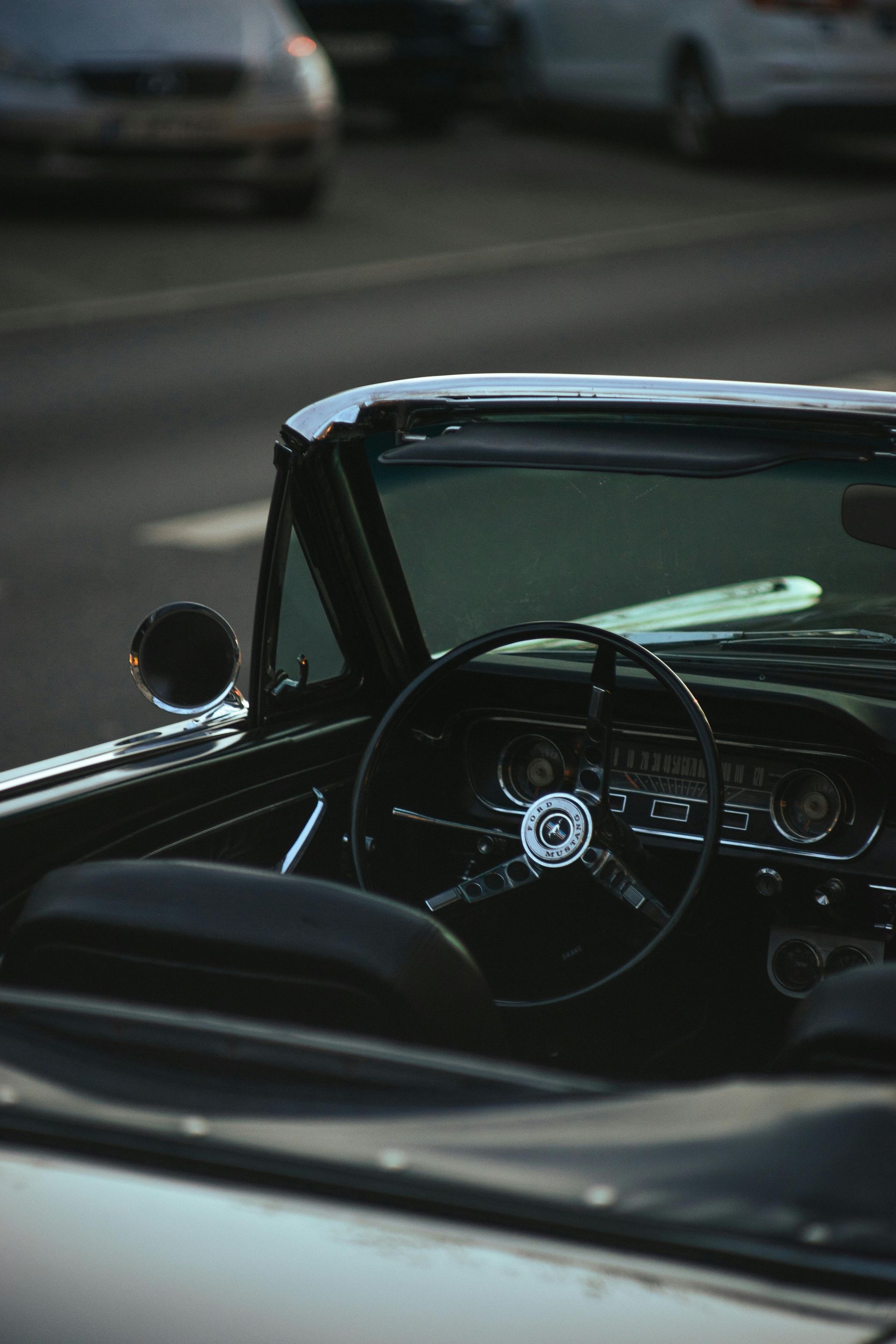
Factory Tint vs Aftermarket Tint in Houston, TX: What Harris County Drivers Need to Know Drivers in Houston often assume factory-darkened rear glass already protects against Gulf Coast heat. Along I-10, I-45, and Beltway 8, that assumption creates a real gap between expected and actual protection. Factory tint and aftermarket window film are built differently and serve different purposes. Understanding the distinction helps Harris County drivers make accurate decisions about their vehicle’s glass. What Factory Tint Is Factory tint, also called privacy glass, is glass darkened during vehicle manufacturing through pigment embedded directly into the glass. It is not a surface film and cannot be upgraded or removed without replacing the entire window panel. Manufacturers apply it primarily to rear side windows and back glass on SUVs, trucks, and minivans. Front side windows on most production vehicles remain clear. Factory tint was designed for visual privacy, not for managing Houston’s Gulf Coast heat or filtering UV radiation year-round. The Real Performance Gap in Houston’s Climate Infrared Heat Rejection Infrared radiation is responsible for most cabin heat buildup and passes through factory-tinted glass with minimal resistance. Vehicles parked near NRG Stadium or along Houston’s Energy Corridor reach extreme interior temperatures even with dark rear windows because factory glass does not target the infrared spectrum. Aftermarket ceramic film intercepts infrared radiation at the glass surface before it enters the cabin, producing measurably cooler interiors at any legal shade level. UV Protection and Interior Condition Factory privacy glass provides limited UV protection. Houston’s year-round sun gradually fades dashboards, degrades leather, and breaks down interior trim regardless of how dark factory glass appears. Quality aftermarket film blocks UV across every covered window, including front side windows where factory glass provides no protection at all. Humidity and Adhesive Performance Houston’s Gulf Coast humidity creates additional stress on window film adhesives that dry climates do not experience. Film construction quality becomes more consequential in Harris County than in drier markets, making material selection an important consideration for Houston drivers adding aftermarket film. Where Aftermarket Film Goes Beyond Factory Glass In a general sense, lower-tier aftermarket films may still outperform factory glass on heat rejection, but performance varies depending on the manufacturer and how construction holds up under Houston’s sustained UV and coastal humidity. Dyed films may experience color instability and declining thermal performance over time depending on construction quality. More durable alternatives use nano-ceramic construction engineered for high-heat, high-humidity Gulf Coast conditions. Films such as those made by HITEK Films use non-metallic ceramic technology to block infrared heat and UV without interfering with TxTag transponders or GPS navigation used on I-10, I-45, and Beltway 8. What quality aftermarket ceramic film delivers that factory glass cannot: Infrared heat rejection at the glass surface reduces cabin temperature buildup during Houston’s long summer season, a performance level factory-embedded pigment cannot achieve regardless of visible darkness. UV protection across all covered windows slows interior degradation from Harris County’s year-round sun, preserving dashboards, seats, and trim beyond what factory glass provides. Front side window coverage addresses the primary source of direct solar load during driving, where factory tint offers no protection on most production vehicles. Combining Aftermarket Film with Factory Glass Adding aftermarket film to a vehicle with factory-tinted rear glass is a common approach for Houston drivers. Factory glass contributes rear privacy while ceramic film on front side windows delivers thermal and UV performance factory glass never provides. Texas requires at least 25% visible light transmission on front side windows. When applying film over factory-darkened rear glass, the combined VLT of both layers must be confirmed before installation to ensure Texas Transportation Code compliance across Harris County roads. Frequently Asked Questions Can aftermarket film be applied over factory tint in Texas? Yes. Film can be applied over factory-tinted rear glass, but the combined VLT must meet Texas’s 25% front window minimum. A shade calculation should be confirmed before installation. Does factory tint block UV rays? Factory privacy glass provides limited UV protection. The embedded pigment reduces visible light for privacy but does not filter ultraviolet radiation at the level quality aftermarket film delivers. Why does ceramic film outperform factory glass on heat? Ceramic film uses nano-ceramic particles to intercept infrared radiation at the glass surface. Factory pigment only reduces visible light and does not address the infrared spectrum responsible for cabin heat buildup in parked Houston vehicles. What is Texas’s front window tint limit? Texas requires at least 25% visible light transmission on front side windows for passenger vehicles. Rear and back windows allow darker applications by vehicle type under Texas Transportation Code.